
Venetian Plaster
A polished lime plaster built up in thin coats and burnished to a soft, marble-like sheen. The classic choice for entries, powder rooms and formal spaces.
Learn More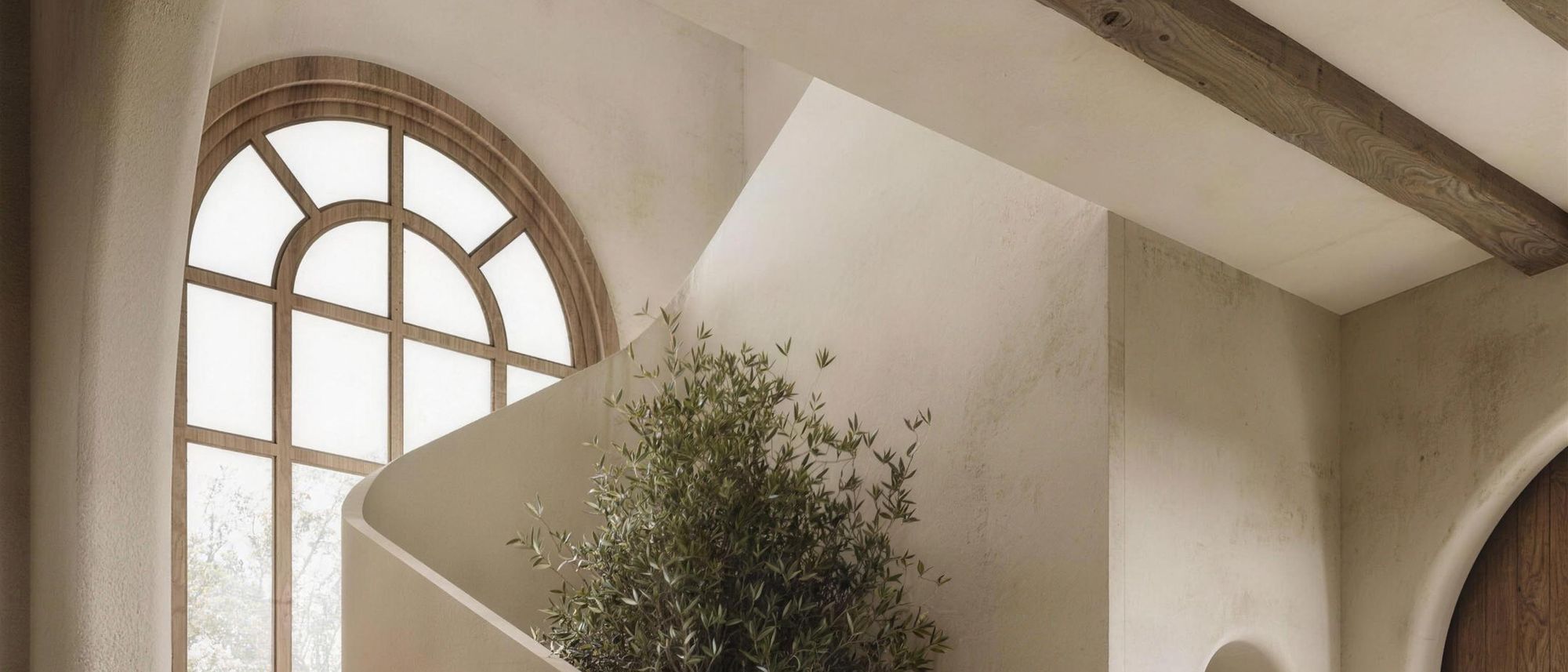
Our Finishes
Eight hand-applied finishes, each with its own texture, sheen and character. Start here, then book a showroom visit to see and touch each one.
Explore the Range
A polished lime plaster built up in thin coats and burnished to a soft, marble-like sheen. The classic choice for entries, powder rooms and formal spaces.
Learn More
A waterproof lime plaster finished with soap and stone, traditionally used in Moroccan hammams. The only finish here built for direct water contact.
Learn More
A modern lime-putty finish troweled in thin, overlapping passes for a soft, cloud-like matte texture. Reads as movement and depth rather than pattern, ideal for living rooms and bedrooms.
Learn More
A thin mineral wash brushed over plaster or masonry, leaving soft, cloud-like variation rather than a flat coat of color. Breathable, made to age, and the one finish here suited to exterior masonry.
Learn More
An earth-based, zero-VOC clay plaster that regulates humidity and softens sound. Warm, earthy tones in a soft matte, suited to bedrooms and quieter rooms.
Learn More
A high-strength veneer plaster chosen for durability first. It resists dents and cracks in hallways, entries and other high-traffic rooms, and can be finished polished or matte.
Learn More
A layered, hand-troweled texture inspired by historic coastal estates. Softer than a polished wall, it sits comfortably in both traditional and modern rooms.
Learn More
A hand-polished earth plaster rooted in the same North African tradition as tadelakt, in deep, saturated tones. Breathable rather than sealed, so it belongs on dry walls.
Learn MoreChoosing a Finish
Venetian Plaster reads as polished, with light moving across the surface as you walk by. Diamond Plaster can be taken to a high polish or left matte. Tadelakt and Moroccan Clay sit in between, with a soft, hand-burnished sheen. Roman Clay, American Clay, Limewash and Savannah Plaster read matte, with the material itself doing the work instead of a topcoat.
Some finishes are close to flat, built up in thin, tight coats. Others carry visible hand movement, the marks of the trowel left in on purpose. If you want a wall that looks touched by hand, look at Roman Clay, Savannah Plaster or Moroccan Clay. If you want a smoother, quieter wall, look at Venetian Plaster or Diamond Plaster.
Tadelakt is the finish built for water. It is traditionally used in showers, tubs and hammams, and holds up to direct contact in a way the others are not designed for. The rest of the range belongs on dry walls, and Limewash is the one suited to exterior masonry.
Finishes that build up in multiple thin coats and get burnished by hand, like Venetian Plaster and Tadelakt, lean on labor and skill more than raw material. Others put more of the character into the material itself before it ever touches the wall. Either way, the right answer depends on the room, which is why we walk through it in person.
Still Deciding?
Photos only tell you so much about a plaster finish. Sheen, depth and texture change with the light in a room, and they change again once you run a hand across the wall. The fastest way to choose is to see and touch the finishes in person.
Book a visit to the showroom at 2404 Lake Austin Blvd to see all eight side by side, or start a project and we will bring samples into the conversation from the first call.
FAQ
Tadelakt is the finish built for wet areas. Traditionally used in Moroccan hammams, it holds up to direct water contact. The rest of the range is meant for dry walls.
Yes. Most projects mix finishes from room to room, each one matched to how that space is used, how it is lit and how much wear it takes.
Both are matte and breathable. Roman Clay is a lime-putty finish known for its cloud-like trowel movement, while American Clay is an earth-based clay plaster built around humidity control and a wide color range. Seeing both in the showroom side by side is the fastest way to tell them apart.
Both come out of the same North African tradition. Tadelakt is burnished and sealed to be waterproof. Moroccan Clay is hand-polished but left more porous, so it reads softer and moodier, and it is not built for wet areas.
Not every finish is on display, but many are, at the showroom at 2404 Lake Austin Blvd, open 9am to 5pm, Monday through Saturday, by appointment only. Tell us which finishes you are considering and we will walk through samples on the first call.
Bring photos of the room, note where the light comes from, and think about how the wall will be touched or used day to day. From there, a visit to the showroom or a project inquiry is the fastest way to compare finishes against the actual space.
Begin
Tell us about your project. We will walk you through finishes, samples, and timeline, and give you a clear scope before anything begins.